Mukundra Hills Tiger Reserve: Wildlife, Tigers & the Natural Beauty of Kota
September 16, 2026
Chambal River Safari Kota 2026: Complete Guide to Wildlife, Boat Safari & Best Time to Visit
September 21, 2026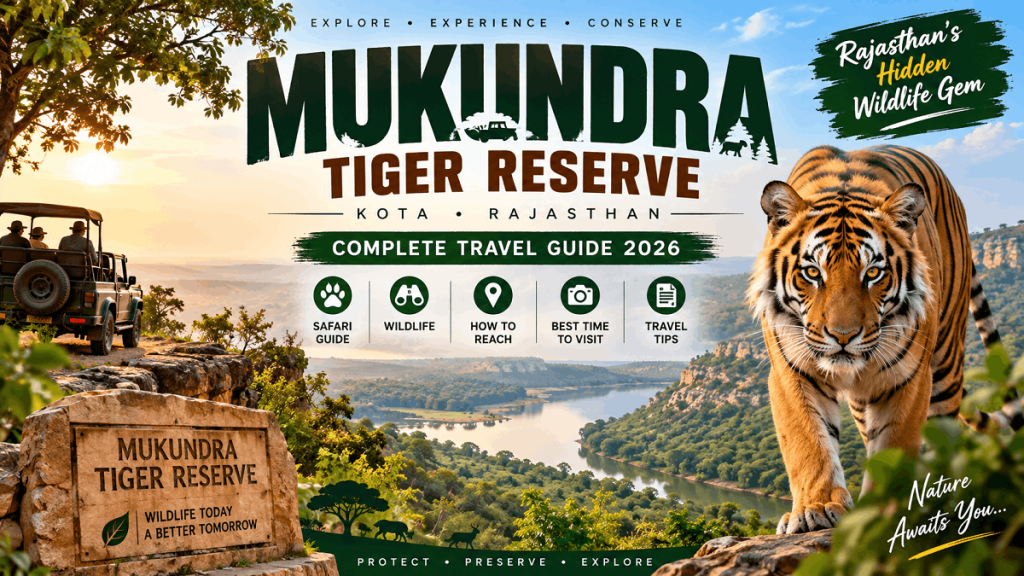
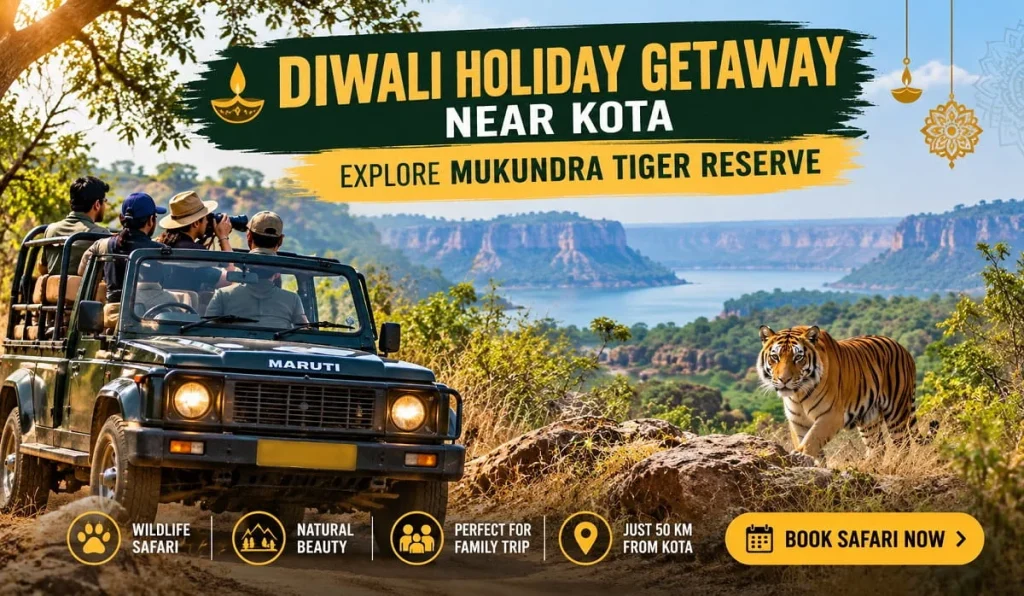
Located in southeastern Rajasthan, Mukundra Tiger Reserve is one of the important wildlife destinations in the state. Spread across the Mukundra Hills landscape near Kota, the reserve offers visitors an opportunity to experience Rajasthan’s forests, wildlife and natural beauty away from the more widely known tiger destinations.
For travellers planning a wildlife trip from Kota, Bundi, Jhalawar or nearby parts of Rajasthan, Mukundra Tiger Reserve can be an interesting destination for exploring the region’s forest ecosystem.
About Mukundra Tiger Reserve
Mukundra Tiger Reserve is situated in the Hadoti region of Rajasthan, with Kota serving as one of the major nearby cities.
The reserve is characterized by rocky hills, dry deciduous forests, valleys, streams and diverse natural habitats. These landscapes provide shelter to a variety of wildlife species and make the area important for conservation.
The reserve is also known as Mukundra Hills Tiger Reserve (MHTR).
Its location makes it particularly accessible for travellers visiting Kota and other destinations in southeastern Rajasthan.
Why Visit Mukundra Tiger Reserve?
A visit to Mukundra is not only about spotting a tiger. Wildlife tourism here is also about experiencing the forest environment and observing different species in their natural surroundings.
Some of the reasons travellers consider visiting Mukundra include:
- Natural forest landscapes
- Tiger habitat and conservation
- Leopard sightings
- Rich birdlife
- Deer and other herbivores
- Scenic hills and valleys
- Wildlife photography opportunities
- Proximity to Kota and Hadoti attractions
Every safari is different because wildlife movement depends on season, weather, habitat conditions and natural behaviour.
Wildlife in Mukundra Tiger Reserve
Mukundra Tiger Reserve supports a variety of wildlife species.
Tiger
The tiger is one of the most important species associated with the reserve. Tiger conservation remains an important part of the area’s wildlife management efforts.
However, visitors should remember that seeing a tiger during a safari is never guaranteed. Wildlife sightings depend on natural conditions and animal movement.
Leopard
Leopards are another fascinating carnivore found in the region. Because they are generally elusive and more difficult to spot, a leopard sighting can be a memorable experience for wildlife enthusiasts.
Sloth Bear
The forest ecosystem also provides habitat for sloth bears. These animals are usually shy and can be difficult to observe in the wild.
Chital and Sambar
Herbivores such as chital and sambar deer are important parts of the forest ecosystem. They also form part of the prey base for large carnivores.
Other Wildlife
Depending on the area and season, visitors may encounter various species of mammals, reptiles and birds.
The reserve’s biodiversity makes it interesting not only for tiger enthusiasts but also for photographers, birdwatchers and nature lovers.
Birdwatching at Mukundra Tiger Reserve
Mukundra is also an interesting destination for bird lovers.
The combination of forests, hills, water sources and open areas creates different habitats for birds. During a safari, visitors may see a variety of resident and seasonal bird species.
Birdwatchers should carry binoculars and maintain silence while exploring the forest.
Early morning safari hours can be particularly useful for observing active wildlife and birds.
Best Time to Visit Mukundra Tiger Reserve
The ideal time for a wildlife visit depends on what you want to experience.
Winter Season
The cooler months are generally comfortable for travelling and outdoor activities. Mornings can be chilly, so visitors should carry suitable clothing.
Summer Season
During hotter months, temperatures can rise significantly. However, wildlife may become more active around water sources, which can sometimes create interesting opportunities for wildlife observation.
Monsoon Season
Rain changes the appearance of the landscape dramatically. Forests can become greener and the scenery can be beautiful, although safari operations and accessibility may depend on official conditions and local regulations.
Before planning your visit, always check the latest official information regarding safari availability, zones, timings and entry conditions.
Mukundra Tiger Reserve Safari
A wildlife safari is one of the main ways visitors explore the reserve.
Safari routes allow tourists to enter designated forest areas with authorized vehicles and guides.
During a safari, visitors may experience:
- Forest landscapes
- Wildlife tracking
- Birdwatching
- Photography opportunities
- Natural water bodies
- Hills and valleys
- Possible wildlife sightings
A safari should be treated as a wildlife experience rather than a guaranteed animal-sighting trip.
Patience is an important part of wildlife tourism.
Safari Tips for First-Time Visitors
If you are visiting Mukundra Tiger Reserve for the first time, keep these tips in mind:
- Follow all instructions given by your guide and forest staff.
- Maintain silence inside the forest.
- Do not feed or disturb animals.
- Avoid littering.
- Carry water and essential personal items.
- Wear comfortable clothing suitable for the weather.
- Carry binoculars if you enjoy birdwatching.
- Use a camera with an appropriate zoom lens for wildlife photography.
- Do not play loud music inside the safari vehicle.
- Follow the designated safari route and forest regulations.
Wildlife Photography at Mukundra
Mukundra can offer excellent opportunities for nature and wildlife photography.
Instead of focusing only on large animals, photographers should also look for:
- Birds
- Deer
- Forest landscapes
- Trees and vegetation
- Butterflies
- Reptiles
- Natural light and mountain scenery
A telephoto lens can be useful because maintaining a safe distance from wildlife is essential.
Never approach an animal for a photograph.
How to Reach Mukundra Tiger Reserve
Mukundra Tiger Reserve is located in southeastern Rajasthan and is conveniently connected with Kota.
By Road
Kota is well connected to several cities in Rajasthan and neighbouring states by road. Visitors can use private vehicles, taxis or other available transport services to reach the relevant entry area.
By Train
Kota Railway Station is one of the major railway stations in the region and can be useful for travellers arriving by train.
From Kota, visitors can arrange local transportation according to their safari location and confirmed entry arrangements.
By Air
Travellers arriving by air can consider nearby airports and continue their journey by road, depending on their starting city and travel plans.
Because entry gates and safari arrangements can vary, visitors should confirm the exact meeting point before travelling.
Places to Visit Around Mukundra Tiger Reserve
A trip to Mukundra can also be combined with other attractions around Kota and the Hadoti region.
Depending on your itinerary, you may consider exploring:
- Kota
- Chambal River area
- Kota Garh
- Seven Wonders Park
- Kishore Sagar Lake
- Jhalawar
- Bundi
- Other historical and natural attractions of Hadoti
This makes the region suitable for travellers who want to combine wildlife, history and local tourism in one trip.
Responsible Tourism at Mukundra
Wildlife tourism comes with a responsibility to protect the environment.
Visitors can help by following simple principles:
Do Not Litter
Carry your waste back with you and use designated disposal facilities.
Keep Your Distance
Wild animals should always be observed from a safe distance.
Avoid Loud Noise
Noise can disturb animals and affect their natural behaviour.
Respect Forest Rules
Forest regulations exist to protect wildlife, visitors and the habitat. Always follow instructions from authorized staff.
Avoid Feeding Wildlife
Wild animals should never be fed by tourists.
Responsible tourism helps protect the forest for future generations.
What to Carry for a Mukundra Safari
Before leaving for your safari, consider carrying:
- Government-approved identification
- Safari booking details
- Drinking water
- Sunglasses
- Sunscreen
- Hat or cap
- Comfortable clothes
- Binoculars
- Camera
- Mobile phone
- Basic medicines and personal essentials
Frequently Asked Questions
Is Mukundra Tiger Reserve near Kota?
Yes. Kota is an important nearby city and a convenient base for travellers visiting the Mukundra region.
Where is Mukundra Tiger Reserve located?
Mukundra Tiger Reserve is located in southeastern Rajasthan, in the Hadoti region. Kota is one of the major nearby cities.
Can tourists see tigers in Mukundra Tiger Reserve?
Tigers are an important part of the reserve’s conservation landscape, but a tiger sighting is not guaranteed. Wildlife sightings depend on natural animal movement, season, weather and other conditions.
What other animals can be seen in Mukundra?
Visitors may encounter wildlife such as leopards, sloth bears, chital, sambar and various bird species, depending on the area and season.
What should I carry for a safari?
Carry your required identification and booking details along with water, comfortable clothing, sun protection and a camera or binoculars if required
Is photography allowed during the safari?
Wildlife photography may be possible during safari visits, subject to applicable forest and safari rules. Visitors should always maintain a safe distance and follow instructions from guides and forest staff.
Is advance safari booking required?
Safari availability and booking procedures can change. Visitors should check the latest official information before travelling and confirm the current booking process, timings and entry requirements.

Related posts