
Kishore Sagar Talab Kota: Explore Jag Mandir & Boating
October 5, 2026
Kota Dussehra Mela 2026: History, Ravan Dahan & Major Events
October 17, 2026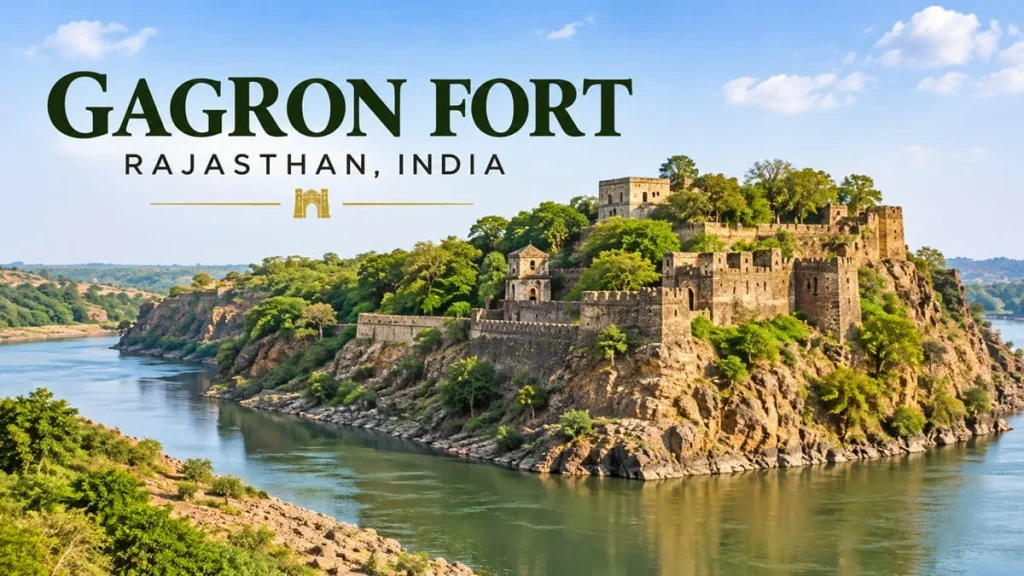
Gagron Fort, Rajasthan, India: History, Architecture & Travel Guide
Gagron Fort is one of Rajasthan’s remarkable historical landmarks, located in Jhalawar district in southeastern Rajasthan, India. Famous for its impressive stone fortifications and unique location surrounded by rivers, the fort offers visitors a fascinating glimpse into the region’s rich history and architectural heritage.
Unlike many forts built on isolated hilltops, Gagron Fort uses both rocky terrain and natural waterways as defensive barriers. The Ahu and Kali Sindh rivers surround the fort on three sides, creating a striking landscape that makes it one of Rajasthan’s most distinctive heritage destinations.
Gagron Fort is also part of the UNESCO World Heritage property known as the Hill Forts of Rajasthan. Therefore, it is an excellent destination for history enthusiasts, architecture lovers and travellers exploring the cultural heritage of Rajasthan.
Where Is Gagron Fort Located?
Gagron Fort is situated near Jhalawar city in Rajasthan, India. The surrounding landscape features rivers, rocky hills and greenery that enhance the fort’s historic character.
Jhalawar is an important destination for travellers interested in historical monuments and cultural attractions. Visitors travelling from Kota can plan a road trip to Jhalawar and explore Gagron Fort as part of a wider regional itinerary.
The fort’s location is particularly interesting because natural geographical features form a major part of its defensive design. As a result, the surrounding rivers are just as important to its identity as its stone walls and gateways.
History of Gagron Fort
Gagron Fort has a long history associated with the regional kingdoms of Rajasthan. Its strategic position helped protect the surrounding territory and provided control over important routes through the landscape.
The fort developed over centuries and reflects the military and political history of the region. Its strong walls, gateways and elevated position demonstrate how historic rulers used natural terrain to strengthen their defences.
Moreover, Gagron Fort reflects the broader tradition of Rajput fort architecture. Its design combines defensive construction with the practical advantages of hills and rivers.
Today, the fort stands as an important reminder of Rajasthan’s historical legacy and attracts visitors interested in the stories behind its impressive structures.
Gagron Fort and UNESCO World Heritage Status
Gagron Fort forms part of the UNESCO World Heritage property called the Hill Forts of Rajasthan. UNESCO inscribed this group of six forts on the World Heritage List in 2013.
The group includes Chittorgarh Fort, Kumbhalgarh Fort, Ranthambore Fort, Gagron Fort, Amber Fort and Jaisalmer Fort.
These forts demonstrate how historic rulers adapted their defensive systems to different landscapes. For example, Gagron Fort uses surrounding rivers as natural barriers, while other forts in the group take advantage of forests, hills or desert terrain.
Consequently, Gagron Fort holds significance beyond its local history. It also contributes to the understanding of Rajasthan’s military architecture, cultural heritage and historic landscape planning.
Unique Architecture of Gagron Fort
Gagron Fort stands out because of its combination of natural protection and traditional fortification. Its stone walls, gateways and defensive structures reflect the strategic needs of the period.
Natural River Defences
The Ahu and Kali Sindh rivers surround the fort on three sides. These waterways created natural obstacles for approaching forces and strengthened the site’s defensive position.
Furthermore, the rivers give the fort a distinctive scenic setting. The combination of historic walls and flowing water makes the surrounding landscape especially memorable.
Fort Walls and Gateways
The fort’s defensive walls and entrance structures demonstrate the importance of security in historic military architecture. Strong barriers and carefully positioned access points helped protect the settlement inside.
Visitors can appreciate these architectural features while learning about the methods rulers used to defend important strategic locations.
A Hill and Water Fort
Gagron Fort is recognised as an example of a hill and water fort. This description reflects its unusual combination of elevated terrain and river-based protection.
Rather than relying only on walls, the fort incorporates the surrounding landscape into its defensive design. This feature distinguishes it from many other historic forts in Rajasthan.
Religious and Cultural Heritage Around Gagron Fort
The area around Gagron Fort also has religious and cultural significance. The nearby mausoleum associated with Sufi saint Mitheshah attracts visitors, particularly during the annual gathering held around Muharram.
In addition, the region is associated with Saint Pipa, a revered figure in the Bhakti tradition. These connections reflect the diverse spiritual traditions that form part of Rajasthan’s cultural history.
Therefore, a visit to Gagron Fort can offer more than an architectural experience. It can also provide insight into the area’s living cultural and religious heritage.
Visitors should respect local customs and check current access arrangements when visiting religious sites.
Best Time to Visit Gagron Fort
The best time to explore Gagron Fort depends on weather conditions and your travel preferences.
Winter Season
Winter generally offers more comfortable temperatures for sightseeing in southeastern Rajasthan. Visitors can explore the fort and surrounding area without the intense heat that often affects the region during summer.
Monsoon Season
The monsoon can bring greenery to the surrounding landscape and enhance the beauty of the rivers. However, heavy rain and changing water levels may affect access or create unsafe conditions near riverbanks.
Always follow local safety instructions and avoid restricted areas.
Summer Season
Summer temperatures in Rajasthan can become very high. If you plan to visit during this period, consider travelling during cooler hours and carrying drinking water.
Before your trip, check local weather conditions, opening hours and any visitor restrictions.
How to Reach Gagron Fort
By Road
Travellers can reach Jhalawar by road from Kota and other cities in Rajasthan. From Jhalawar, local transport can take visitors towards Gagron Fort. Confirm the route and parking arrangements before travelling.
By Train
Jhalawar Road railway station serves the wider Jhalawar region. Check current train schedules and onward transport options before planning your journey.
By Air
Visitors travelling from distant cities can investigate flight connections to suitable airports in Rajasthan, including Jaipur, and continue by road or rail. The best route depends on your starting location and available transport.
Travel tip: Check the exact location, current visiting hours and local access conditions before starting your journey.
Things to Know Before Visiting Gagron Fort
A little preparation can make your visit more enjoyable. Keep these points in mind:
Check current opening hours and entry rules.
Wear comfortable footwear suitable for walking on uneven surfaces.
Carry drinking water, particularly during warmer weather.
Avoid climbing on restricted structures or damaged walls.
Keep the monument clean and do not leave litter behind.
Follow safety instructions around the rivers and steep areas.
Respect religious customs at nearby places of worship.
Responsible tourism helps preserve the monument for future generations.
Places to Explore Around Jhalawar
Jhalawar offers several cultural and historical attractions for travellers who want to explore more than one destination.
Bhawani Natyashala is known for its unusual theatre architecture and historical significance. Visitors can also explore other local heritage sites, temples and cultural landmarks, depending on their interests and available time.
You can combine these attractions with a visit to Gagron Fort to discover more of southeastern Rajasthan’s history.
Check opening times and access arrangements for each attraction before finalising your itinerary.
Why Visit Gagron Fort, Rajasthan?
Gagron Fort offers a distinctive combination of history, architecture and natural scenery. Its river-based defences make it different from many other forts in Rajasthan, while its UNESCO World Heritage recognition highlights its wider historical importance.
Additionally, the fort provides an opportunity to learn about the region’s strategic geography, cultural traditions and architectural heritage.
Whether you are a history enthusiast, a photographer or a traveller exploring Rajasthan, Gagron Fort is a worthwhile destination to include in your travel plans.
Plan Your Rajasthan Heritage Trip
Rajasthan is home to remarkable forts, palaces, temples and historic towns. Gagron Fort adds a unique chapter to this heritage because of its relationship with the surrounding rivers and landscape.
Plan your visit responsibly, check official visitor information and take time to appreciate the monument’s historical significance.
For more travel guides, wildlife information and destination updates, visit our website:
Website: https://mukundratigerreserve.in/
Frequently Asked Questions About Gagron Fort
1. Where is Gagron Fort located?
Gagron Fort is located near Jhalawar city in southeastern Rajasthan, India.
2. Is Gagron Fort a UNESCO World Heritage Site?
Yes. Gagron Fort is one of the six forts included in the UNESCO World Heritage property known as the Hill Forts of Rajasthan, inscribed in 2013.
3. Why is Gagron Fort famous?
Gagron Fort is famous for its historic architecture, strategic location and natural river defences. The Ahu and Kali Sindh rivers surround it on three sides.
4. How far is Gagron Fort from Kota?
Gagron Fort is in the Jhalawar region, southeast of Kota. Check a current map for the exact road distance and travel time from your starting point.
5. What is the best time to visit Gagron Fort?
Winter is generally comfortable for sightseeing. The monsoon can offer attractive scenery, but visitors should take care around rivers and check local conditions.
6. Can visitors explore the fort?
Visitors should confirm current opening hours, access rules and any restrictions with the relevant local authorities before travelling.
7. What other attractions are near Gagron Fort?
Bhawani Natyashala and other historical and cultural attractions in the Jhalawar region can be considered when planning a wider heritage trip.
Conclusion
Gagron Fort, Rajasthan, India, is a remarkable example of how historic architecture and natural geography can work together. Its stone fortifications, river surroundings and place within the Hill Forts of Rajasthan make it an important heritage destination.
For travellers exploring Jhalawar and southeastern Rajasthan, Gagron Fort offers a meaningful opportunity to discover the region’s history, culture and landscape.

Related posts