Mukundra Hills Tiger Reserve (MHTR) is one of Rajasthan’s important wildlife landscapes, located across the districts of Kota, Bundi, Jhalawar and Chittorgarh. The reserve covers about 1,135.79 sq. km, including its core and buffer areas. Its dry deciduous forests, hills, valleys and water bodies create an important habitat for a wide range of wildlife.
Located around 50 km from Kota, Mukundra Hills offers a different side of Rajasthan—one where forests, rocky hills and wildlife come together to create a remarkable natural landscape. Rajasthan Tourism also highlights the reserve as a wildlife destination near Kota.
The Natural Beauty of Mukundra Hills
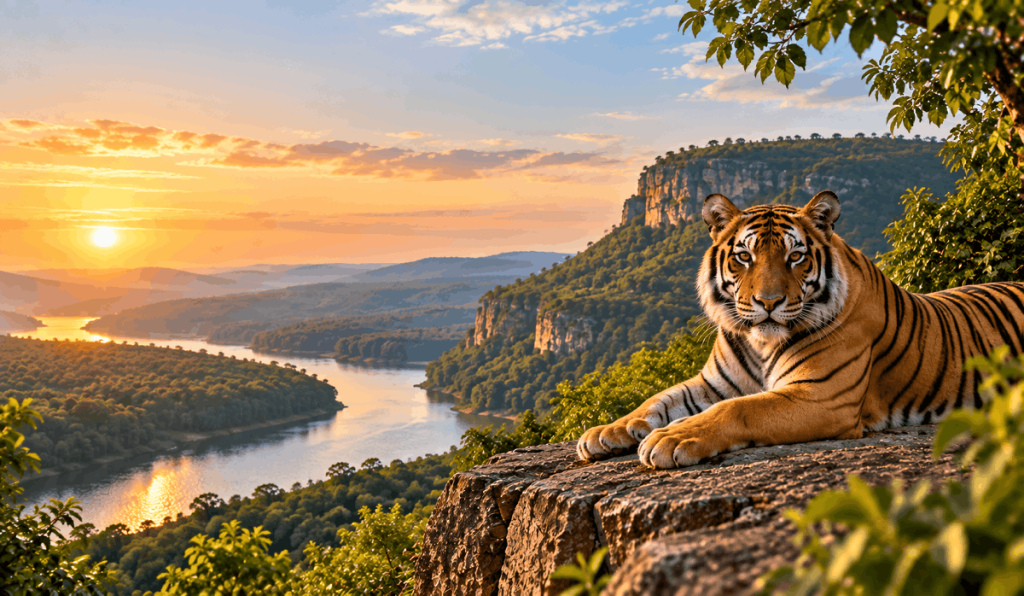
The landscape of Mukundra Hills is characterised by forested hills, rocky terrain and valleys. The reserve forms part of a larger wildlife landscape connected with the Chambal region.
The Chambal River and surrounding forests add to the ecological importance and scenic character of the region. Rajasthan’s forest department has also documented ecological connections between Mukundara and other forest landscapes through the Chambal and associated drainage systems.
For visitors interested in nature and photography, the combination of green forests, rocky cliffs, open landscapes and water bodies makes the area visually distinctive.
Tigers of Mukundra Hills Tiger Reserve
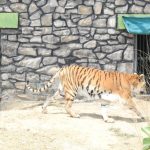
Tigers are the most important conservation focus of Mukundra Hills Tiger Reserve. Rajasthan Tourism notes that tigers have been relocated to Mukundra from Ranthambore as part of efforts to establish and support a tiger population in the reserve.
Tiger conservation in Mukundra has involved relocation, monitoring and gradual adaptation of individual animals to the landscape. In January 2026, tiger T-2408 was relocated from Ranthambore to Mukundra Hills.
Another example was reported in February 2026, when tiger MT-7 was moved from a smaller enclosure to a larger 21-hectare enclosure as part of a phased rewilding and adaptation programme.
These conservation efforts demonstrate the importance of careful monitoring and habitat management when establishing tiger populations in a new landscape.
Rich Wildlife of Mukundra
The tiger is not the only wildlife species found in the reserve. The Rajasthan Forest Department’s tiger conservation plan records a diverse carnivore community, including leopard, sloth bear, wolf, striped hyena, golden jackal, jungle cat, desert cat and several smaller carnivores.
The reserve also supports herbivores such as:
- Sambar
- Chital
- Chinkara
- Nilgai
- Wild boar
- Four-horned antelope
Rajasthan Tourism also highlights panther, deer, wild boar and bear among the wildlife found in the reserve.
A Home for Many Birds
Mukundra’s forests are also valuable for birdlife. The Rajasthan Tourism description mentions species and groups including paradise flycatchers, golden orioles, woodpeckers, doves, babblers, mynas, eagles, owls and vultures.
For birdwatchers, the combination of woodland, open areas and water sources provides opportunities to observe a variety of native birds.
Forests and Vegetation
Mukundra Hills is primarily characterised by northern tropical dry deciduous forest. The Rajasthan Forest Department’s conservation plan identifies trees and vegetation including Anogeissus pendula, Anogeissus latifolia, Acacia catechu, Ziziphus mauritiana and other dry-forest species.
These forests provide food, shelter and movement areas for the reserve’s wildlife and form the foundation of its ecosystem.
Mukundra and the Chambal Landscape
One of the distinctive features of the wider Kota landscape is its relationship with the Chambal River.
Kota is also known for its Chambal River boat safari, where visitors can experience the river landscape and observe wildlife such as crocodiles and birds. Rajasthan Tourism describes the Chambal landscape around Kota as an important attraction connected with the region’s wilderness.
The combination of Mukundra’s forests and the Chambal landscape gives Kota a strong connection with nature and wildlife tourism.
Why Mukundra Hills Is Important for Conservation
Mukundra Hills Tiger Reserve is spread across four Rajasthan districts—Kota, Bundi, Jhalawar and Chittorgarh—and covers more than 1,100 square kilometres.
Its importance extends beyond individual tiger sightings. The reserve provides habitat for numerous species and forms part of a broader network of forests in southeastern Rajasthan and neighbouring Madhya Pradesh.
The Rajasthan Forest Department has documented connectivity between Mukundara and other forest landscapes, including the direction of Gandhisagar Sanctuary through connected forests and the Chambal landscape.
Best Way to Experience Mukundra
A visit to the Mukundra landscape is about more than simply looking for a tiger. The forests, hills, birds, herbivores, rocky terrain and surrounding landscapes are all part of the experience.
Visitors should follow official forest department rules, maintain a safe distance from wildlife, avoid loud noise and never disturb animals or their habitat.
Wildlife sightings are naturally unpredictable, so the real value of a visit lies in experiencing the forest and understanding its ecosystem.
Mukundra Hills Tiger Reserve – A Natural Treasure of Kota
Mukundra Hills represents an important part of Rajasthan’s wildlife heritage. Its forests provide habitat for tigers, leopards, bears, deer, birds and many other species, while its hills and valleys create a distinctive landscape around Kota.
As tiger conservation and habitat management continue, Mukundra Hills remains an important landscape for wildlife conservation in southeastern Rajasthan.
For anyone exploring Kota, Rajasthan, Mukundra Hills Tiger Reserve offers an opportunity to discover the quieter, wilder side of the region—where forests, wildlife and natural landscapes come together.